
A Call to Service With My Montessori Students

Children are naturals at community service! Even a newborn baby can put a smile on a lonely or sad person’s face without any effort. The Montessori philosophy promotes a child’s respect for self, people, school environment, community, and the world. The students practice this philosophy through grace and courtesy, practical life skills, and community service. Maria Montessori believed that through the […]
The Prepared Montessori Environment
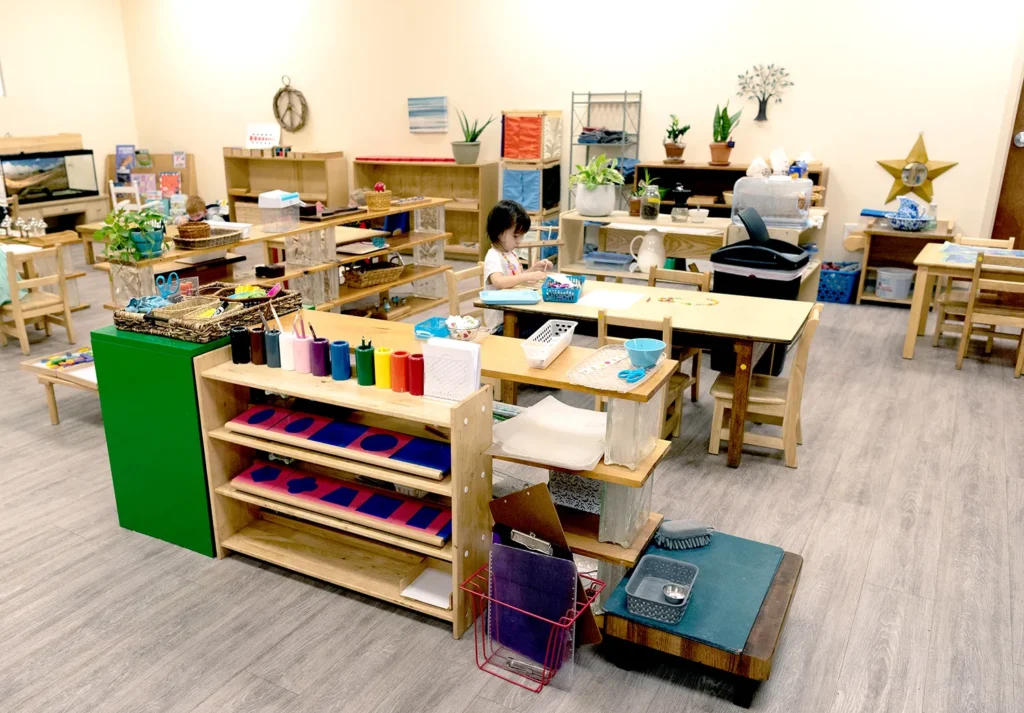
The prepared environment is the most important influence on how a child will learn in a Montessori classroom. It is up the Montessori guide to make sure the materials are organized and sequenced with all the supplies that are needed for the students to be able to work on them independently. The Montessori assistant needs to make sure that supplies are in their […]
The Montessori Formative Years
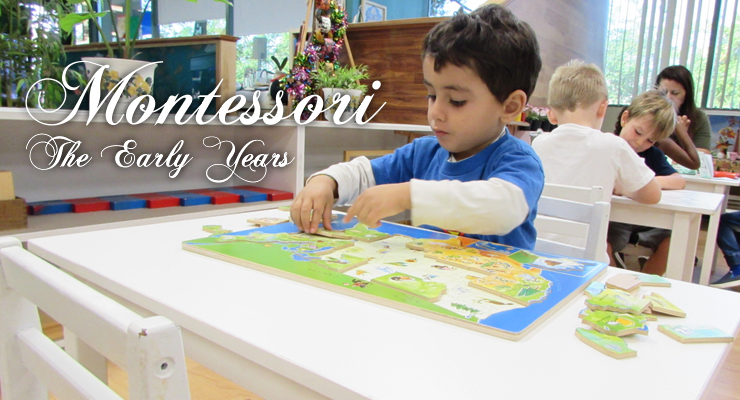
The Montessori philosophy stresses that the years from birth to six years old are the formative years. In this essay I will be exploring this important period in the child’s life where the mind is so absorbent that they will learn very quickly and form their general intelligence and personality. The sensitive period will be discussed and when children are sensitive to learning specific skills. I will discuss […]
The Development of Intelligence in the Montessori Environment

Intelligence is defined as “the sum of those reflex and associative or reproductive activities which enable the mind to construct itself, putting it into relation with the environment. (Lillard, 1972. p 160) Maria Montessori believed that the hand and brain work together to develop intelligence. What work a child is doing with their hands is recorded in the brain, while the brain is guiding the […]
Peace and the Montessori Approach to Life
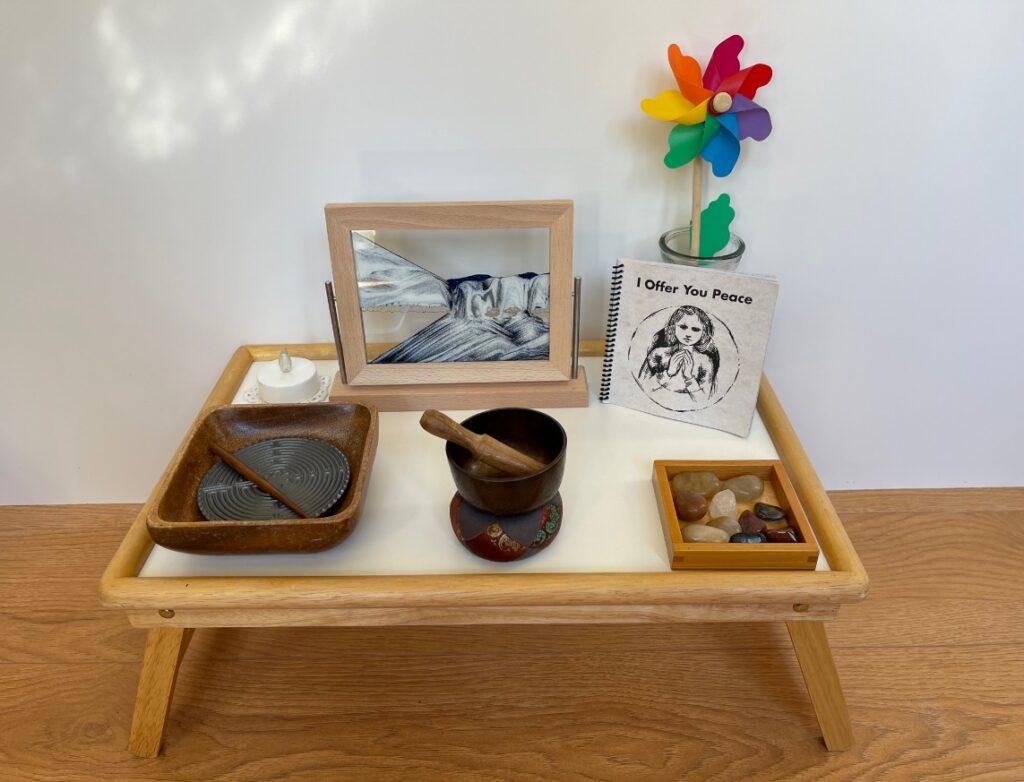
“We see the figure of the child who stands before us with his arms held open, beckoning humanity to follow. ” (Maria Montessori Education and Peace, p. 119). Maria Montessori believes that the adult should “Follow the child.” The child knows innately what and when they need to learn. It is the role of the guide to follow them in the their path of interest and […]
“Normalization” in the Montessori Environment
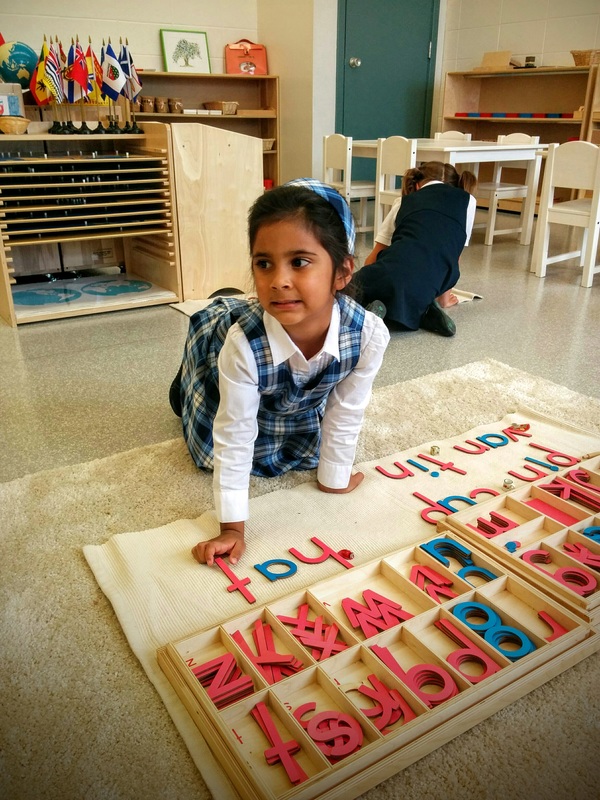
Normalization “is the most important single result of our whole work.” (Maria Montessori, 1995). Montessori states, in the Absorbent Mind, that that all characteristics or behaviors in a child that are either good or bad, disappear “as soon as the children become absorbed in a piece of work that attracts them.” (Montessori, 1995). When children find a work that interests them, they […]
Lesson Presentation in the Montessori Classroom
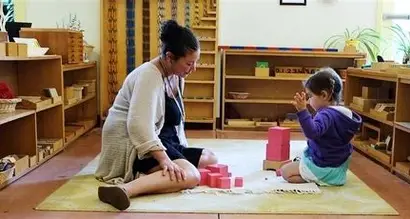
Montessori lessons promote child-led learning with the Montessori guide being flexible and encouraging freedom for the child to explore on their own. Montessori lessons are brief and very few words are used. As Maria Montessori states, “Education is a natural process carried out by the child, and is not acquired by listening to words, but by experiences in the environment” (The Absorbent mind. 1995). The […]
Imagination and Fantasy in the Montessori Classroom

Children desire things that are authentic and real because this is how they understand the world around them. Montessori believes that children can’t grasp the concept of fantasy before the age of six because they don’t even fully comprehend everything that is real and not real in their world yet. Not being taught what is real and what is not real in life can be damaging to the child’s mind. In Montessori, imagination is encouraged when it is […]
Philosophy on Discipline, Order, and Obedience in the Montessori Classroom
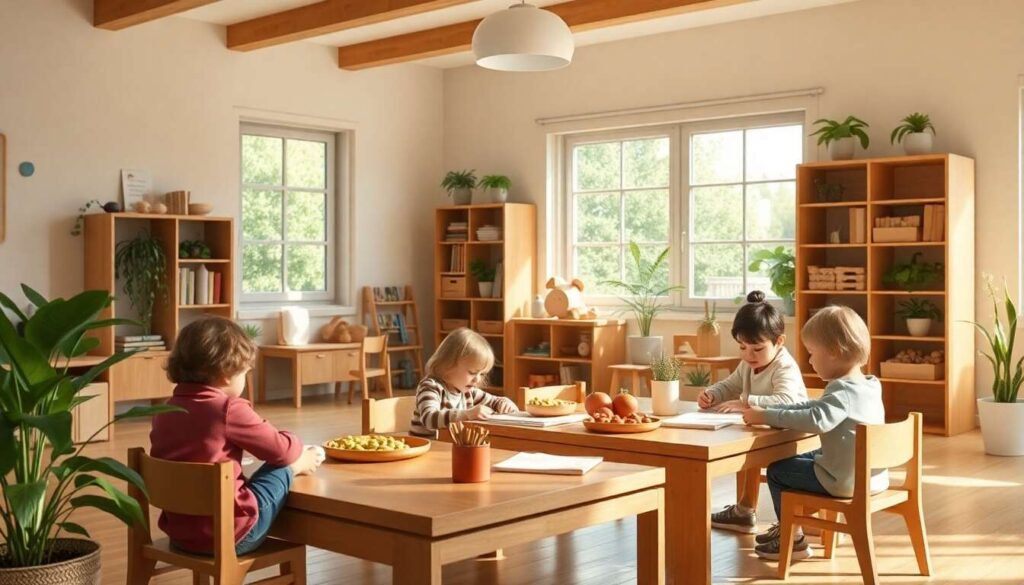
Obedience is when children are self-disciplined and want to do the right thing. They take care of their environment because they appreciate order. There are three stages of obedience that a student goes through before they are normalized. Level 3 of obedience is when the child develops self-discipline and joy in their work with no […]